
Field notesfrom the store floor.
Lessons in building high-performance retailers.
Knowing if a retail storetask is done is like finding a needle in a haystack.
Chasing completion is a real job that nobody in your business was hired to do, it scales with every store you open, and it is almost certainly sitting on the calendar of someone you hired for something else.


Your regional managers stopped coaching and nobody scheduled it
A Tuesday milk run, three stores, and no coaching left in the day by the third one. The multi-site role drifted from retailing to checking, and nobody wrote the change down. What three retailers found when they finally measured it, and why no report in your business would have shown you.

You know what your labour costs. You don't know what your tasks cost.
One retailer went looking and found 60 of their 170 weekly store hours going on administrative tasks. Nobody had designed it that way. How to cost the work you send to stores, and why the useful answer is what you take away rather than what you cut.
Is it another platform, or does it replace one?
Nobody is asking whether your next platform is good. They're asking what leaves the building when it arrives.

Your store comms aren't broken by volume. They're broken by the roster.
Your store comms don't fail because there's too much of it or because it's badly written. They fail because a message is a moment and a roster is a rotation, and the two were never reconciled.

A thumbs up is not evidence
Reported gets you a percentage you don't believe. Verified gets you a defensible record and a store team that resents it. Proved gets you a record and a reason for the store to keep producing it. Most retailers are buying the third and installing the first.

Welcome to the Piing blog
Field notes on running high-performance retail networks — starting with why we built this space.
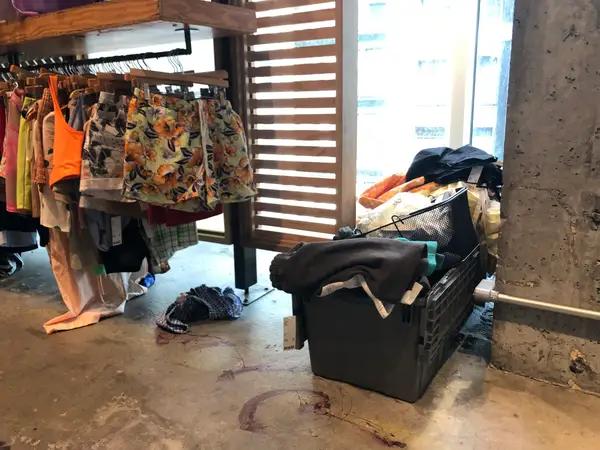
The cost of poor retail execution: 2026 statistics (sourced)
How much does poor retail execution actually cost? 43% of retail leaders can name sales they lost to it, and only 36% say most initiatives execute correctly. The 2026 numbers, each one sourced and dated.
Marked done isn't done. And done isn't the same as worked.
Retail runs on tasks marked complete. But marked done isn't done, and done isn't the same as worked. The three levels of execution truth — and why most retailers only ever see the first.
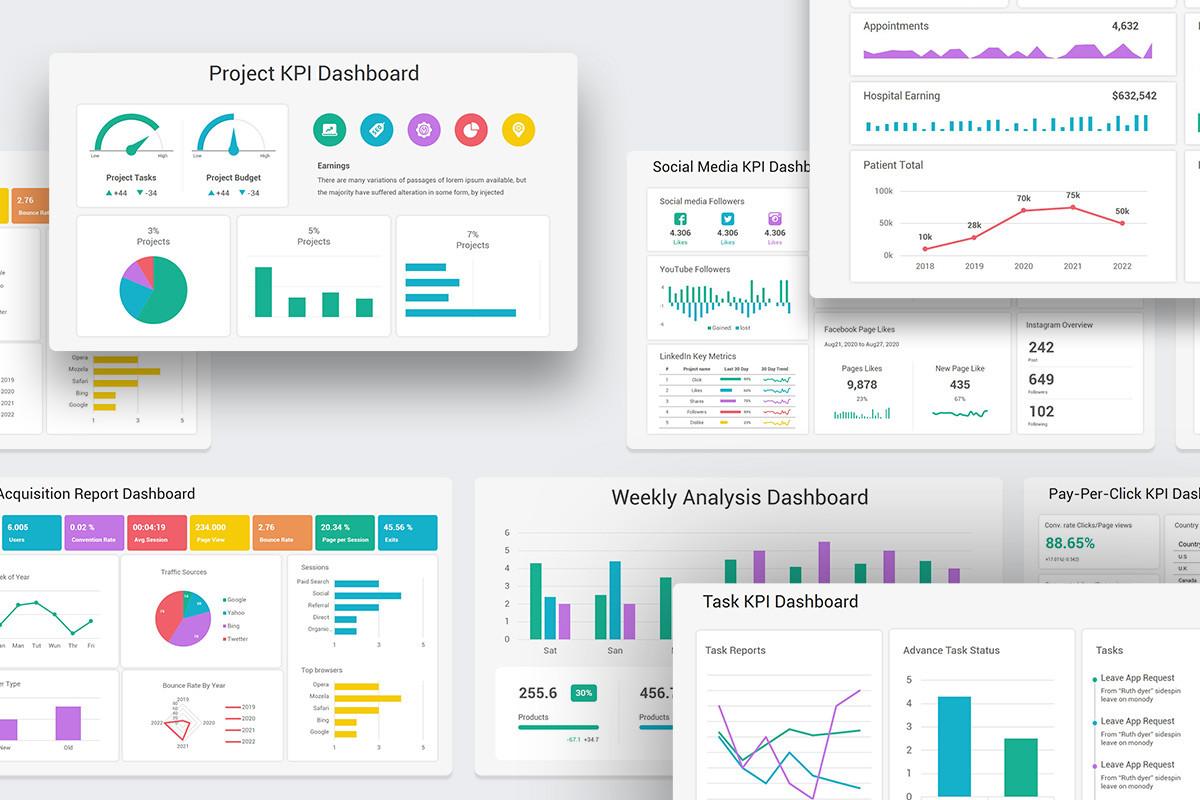
Retail execution KPIs for multi-store retailers: the metrics that actually matter
The retail execution KPIs that actually matter for multi-store retailers — laddered from reported to verified to proved. A framework for measuring not just what was marked done, but what it earned.

The store data blind spot: your biggest channel is your darkest
Your stores make around 80% of the revenue and almost none of the data. The floor is retail's biggest blind spot — here's what goes dark, what it costs, and how to turn store reality into a record that tells the truth.

What is retail execution? A guide for retailers (not brands)
Retail execution is getting HQ's plans actually and consistently done across every store — and knowing whether they worked. A plain guide for retailers running their own store networks, not brands sending reps into someone else's.

Why identical stores perform differently — and what actually explains the gap
Two stores, same brand, same range, same prices — and very different numbers. Most of the gap isn't the market. It's execution, and execution is the part you can actually control.